Mafia turf war explodes across Rome
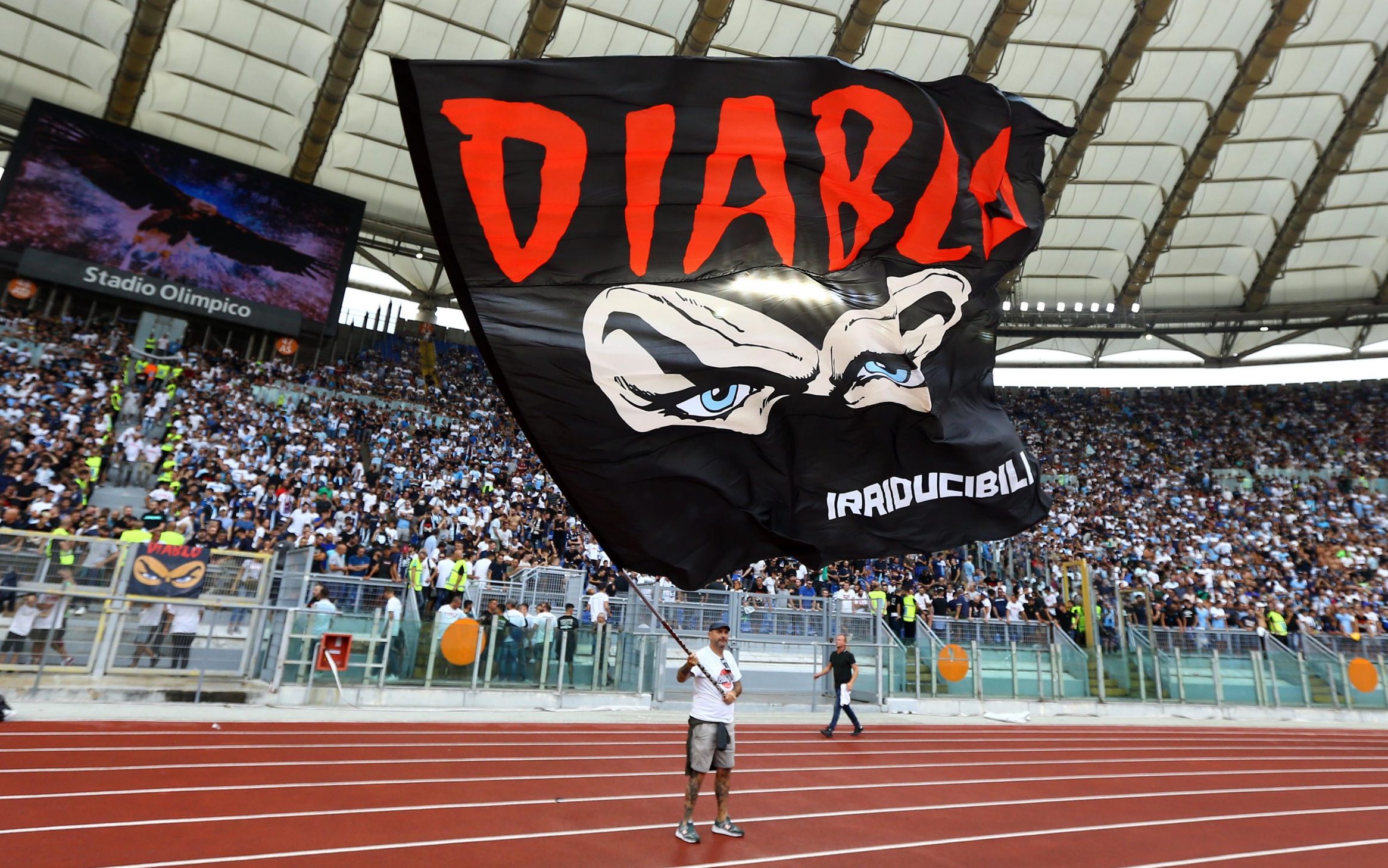
A remembrance banner is displayed at a football match in Rome after the murder of Fabrizio Piscitelli, allegedly committed on the orders of the mafia - NurPhoto via Getty Images
The bomb ripped through the front of the bar just before dawn, igniting a fire and leaving its interior a blackened mess of twisted metal and burned plastic.
The force of the explosion destroyed an outside seating area, sending shards of glass across the pavement and melting bar stools and shade umbrellas. Scorch marks covered the exterior of the building.
The owners of the Elegant Monkey bar, on the outskirts of Rome, were doing their best to clear up the tangled mess on Thursday, inside a cordon of red and white police tape.
“It was horrible, what happened,” a woman wearing a mask to protect against the acrid stench told The Telegraph.
The attack on the bar is the latest of around 30 mystery bomb attacks that have struck bars, betting shops, car rental firms and apartment blocks in the hardscrabble eastern periphery of Rome in the past few months.
The bombs started going off in May, but the frequency has dramatically increased in the past few weeks.
Police appear to be baffled by the bombings. No arrests have been made and no explosives have been seized.
It is an area that tourists never see – far from the Spanish Steps, the Trevi Fountain and the trattorias serving up pasta and pizza along cobbled lanes.
This is a scrappy zone of budget supermarkets, potholed roads, litter-strewn streets and post-war apartment blocks built around remnant patches of countryside.
Antonio, 53, a plumber, described the situation in Castelverde after the bombing as “un bordello” – a word that literally means brothel but more figuratively means a chaotic mess.
“It’s a really critical situation. We don’t know who was behind it. Some sort of mafia? I don’t know.”
Andrea Solitario, a 50-year-old businessman, said: “Maybe it was some sort of extortion attempt – a protection racket. But it’s very strange. We’ve had nothing like this happen before.”
Italy’s main mafia groups are notorious and well known – there’s Cosa Nostra in Sicily, the much-feared ‘Ndrangheta in Calabria and the Camorra of Naples.
But there are other, lesser-known syndicates. The bombings in the capital seem to be linked to a battle for the control of drug-dealing turfs between rival criminal families.
The city’s east has traditionally been controlled by the Senese clan. Police believe that the declining authority of the clan’s incarcerated boss, a 68-year-old underworld don named Michele Senese, has left a power vacuum on the streets that other groups are trying to fill.
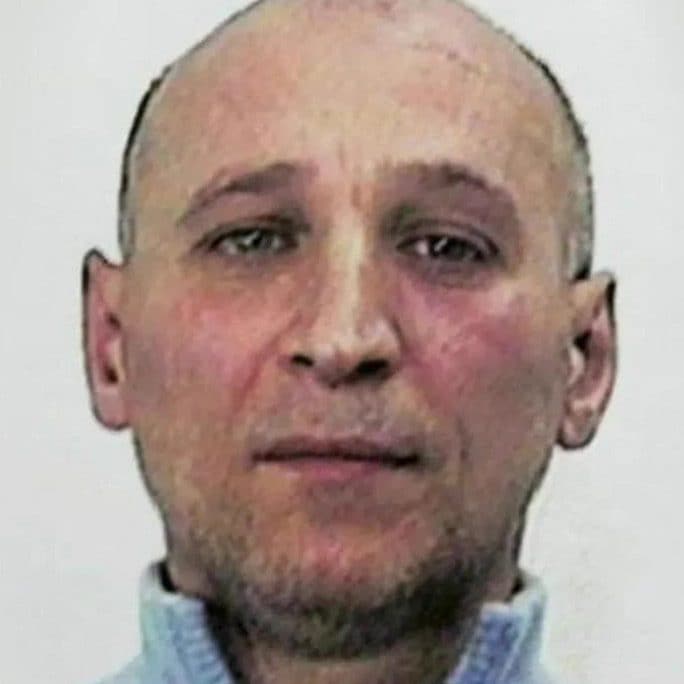
With Michele Senese in prison, a power vacuum has emerged among Rome’s criminal clans
Originally from Naples and linked to the Camorra mafia, Senese was jailed for murder in 2013.
He suffered another blow in September after he was accused by prosecutors of ordering the murder of a drug dealer called Fabrizio Piscitelli, nicknamed “Diabolik” after a comic action hero.
Piscitelli was shot in the back of the head while sitting on a park bench in Rome in 2019. He was allegedly killed because he had become too greedy and ambitious in managing his drug turf in the Tuscolano area of eastern Rome.
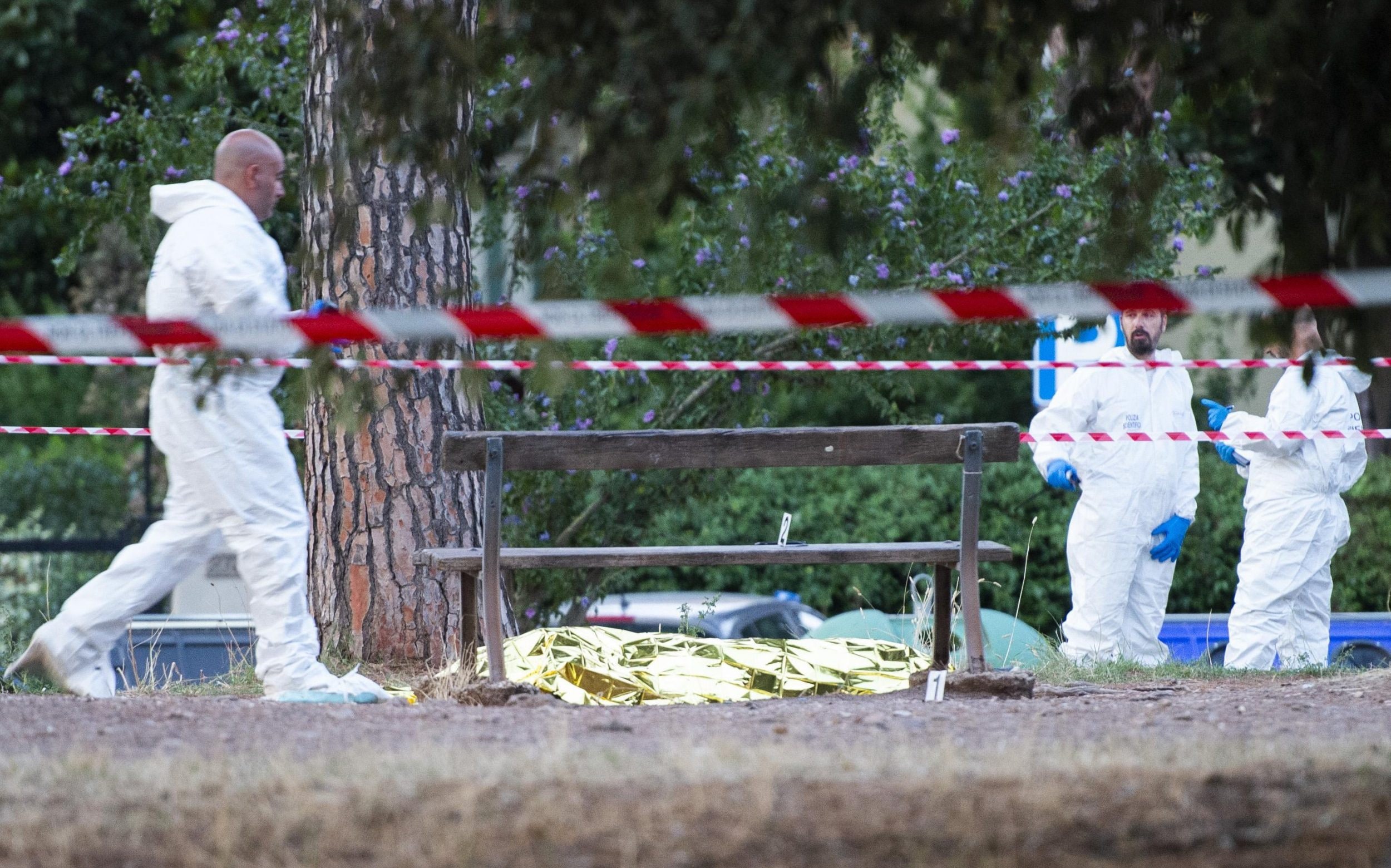
Fabrizio Piscitelli was shot in the back of the head while sitting on a park bench in 2019 - RAFFAELE VERDERESE/EPA-EFE/REX
In his heyday, Senese was a powerful figure in the criminal underworld, nicknamed “O Pazzo” or the Crazy One.
But his family and its allies now face a challenge from rival clans bent on taking over lucrative drug-dealing fiefdoms.
The bombings appear to be part of a rapidly shifting landscape of “conquest and reconquest” of turf, said Gianfranco Minissale, 62, the head of investigations for Rome’s police force.
“The internal equilibrium of the Senese clan… is unstable. Sometimes there are peaceful periods, other times the balance is upset by protagonists from the wider criminal world. We are in one of the latter phases,” he said.
An anti-mafia specialist, he has an impressive pedigree – before being posted to the capital, he was stationed in Calabria, fighting the ‘Ndrangheta, and in Corleone in Sicily, the hilltop town home to the Corleone clan that featured in The Godfather novels and films.
A wall of omertà
Mr Minissale said officers investigating the Roman bombings faced a wall of omertà, meaning a code of silence.
“Nobody is co-operating with us, not even the inhabitants of housing estates that have been hit,” the commander of the flying squad said.
Some of the bombing targets have been car rental outlets. Police believe that drug dealers receive delivery requests by WhatsApp and other messaging services and then deliver the goods by rental car.
“Using hire cars means they are harder to identify,” said Mr Minissale.
Rival gangs appear to be targeting each other’s preferred car rental agencies. A business called Gold Car, in the outer suburb of Centocelle, was struck by a bomb on the night of Oct 8. It belongs to a family that has alleged links to the Senese clan. Another car rental firm that was bombed was owned by brothers who were allegedly linked to Piscitelli, the drug dealer who was murdered on the park bench.
Miraculously, no one has yet been injured. The bombings occur at night and appear to be acts of intimidation, rather than attempts to kill.
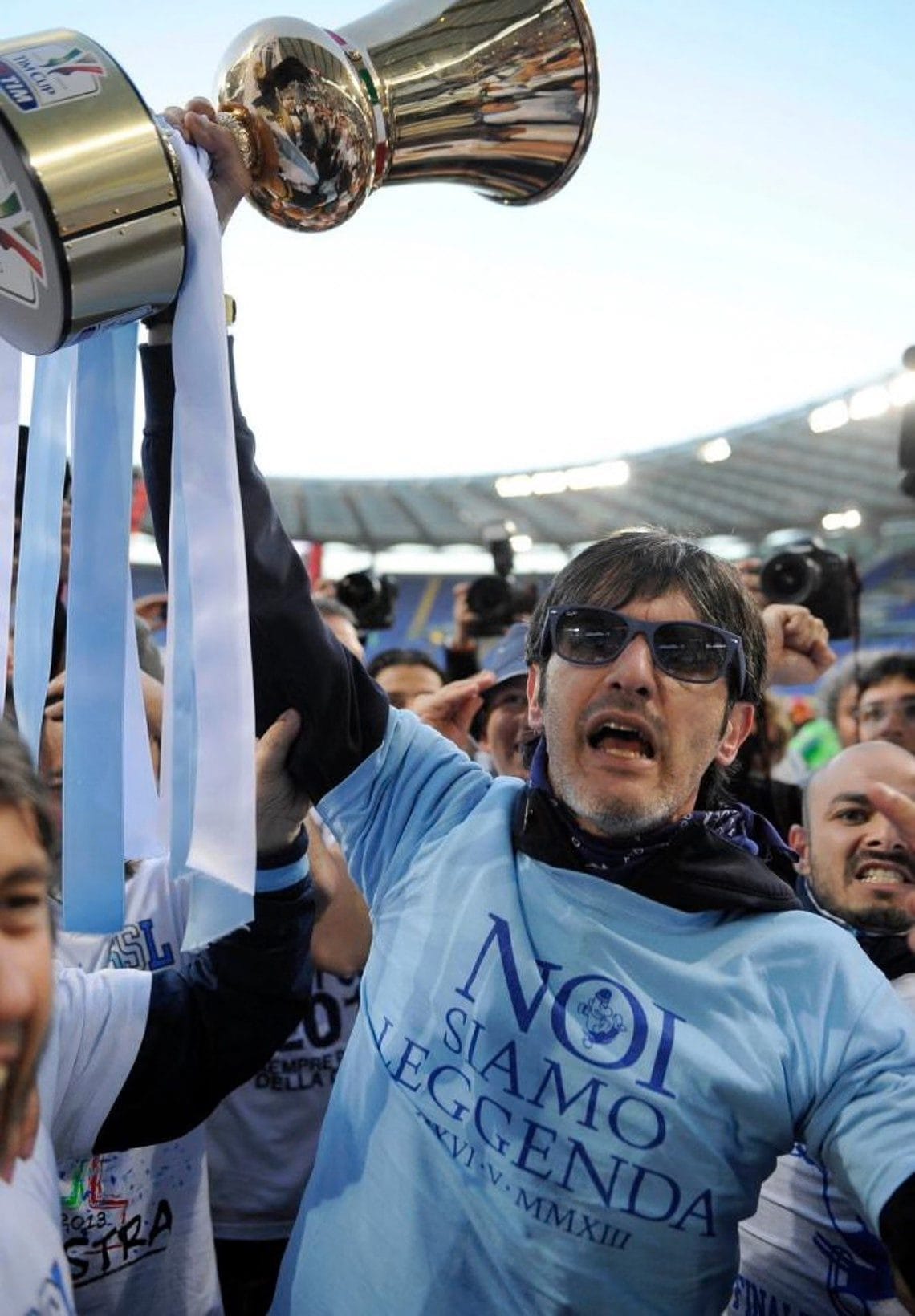
Piscitelli was connected with the supporters of Rome’s Lazio football team
It is not hard to find evidence of drug trading in this forgotten and neglected part of the Eternal City.
In Tor Bella Monaca, a giant housing estate on the eastern rim of Rome, The Telegraph saw groups of young men dealing drugs on the street. A group of them smoked and lounged in chairs by a line of overflowing rubbish bins.
The street was lined with abandoned shopping trolleys, broken-down scooters and litter.
Tor Bella Monaca was also hit by a bombing this week. An explosive device went off outside a council house block in Via Giacomo Galopini, just a few paces from the neighbourhood’s busy outdoor market. The blast brought down a glass and metal entranceway, shattered windows and destroyed the block’s intercom panel.
“There’s a lot of fear now,” said Laura Taglia, 35, who bought an apartment in the area two years ago. “We have a lot of problems here. I don’t go out at night. After 7pm, you need to stay indoors. It’s dangerous.”
Andrea Rotaro, 32, a young mother, said: “People are really shaken. I worry for my son, who is 10. He was really scared by the bombing.”
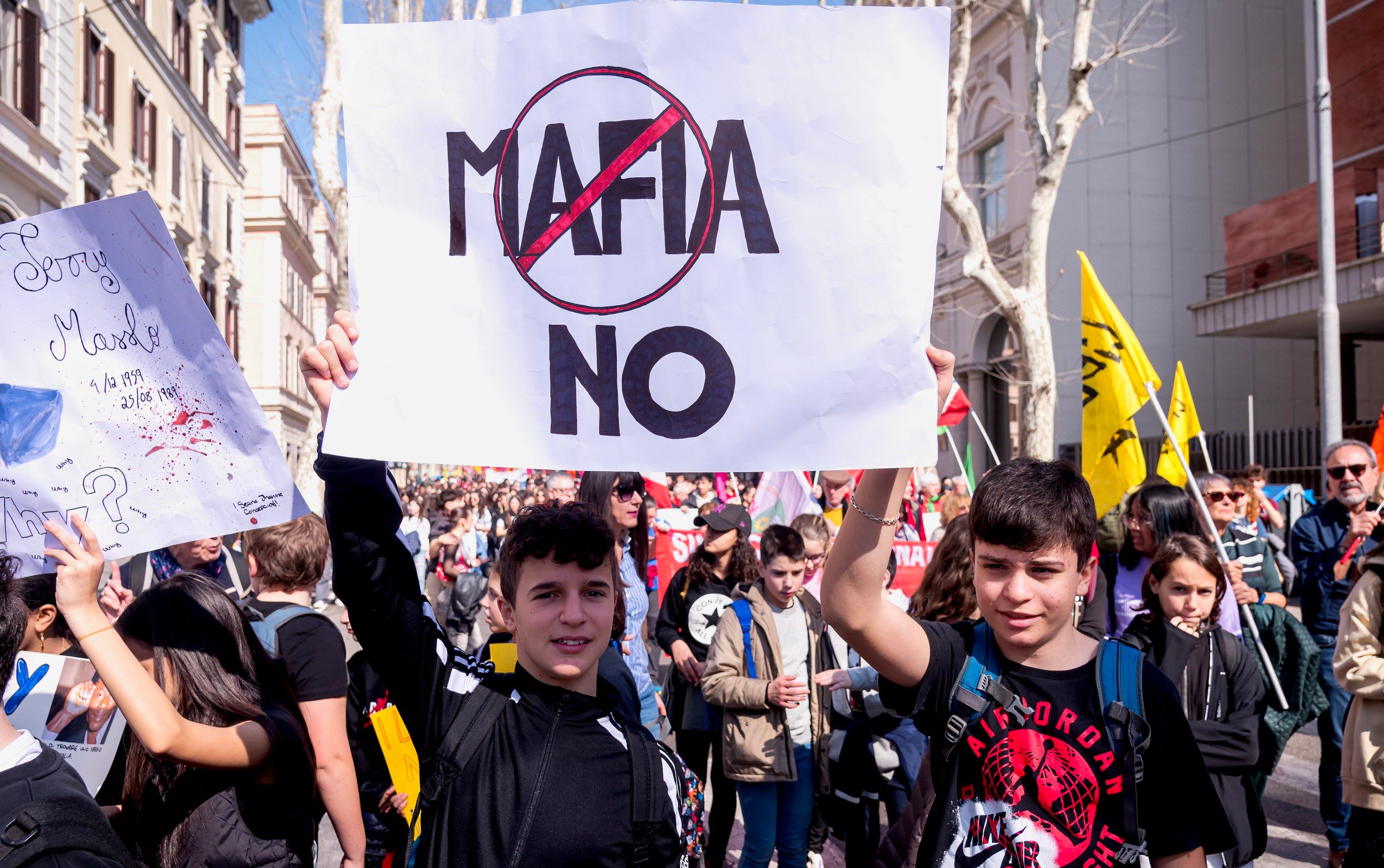
People demonstrate in Rome to mark the national day of remembering the victims of the mafia - Corbis via Getty Images/Stefano Montesi
Concern about the escalating series of bombings has reached the highest level of government. Questions were asked about the attacks in parliament this week, with an opposition party, the Five Star Movement, demanding an urgent update on the situation from Matteo Piantedosi, the interior minister.
Nicola Franco, a government official, called for Tor Bella Monaca and other areas to be declared a “red zone” with an increased police presence. He has written to Giorgia Meloni, the prime minister. “We are facing a series of extremely serious attacks, which are fomenting a climate of fear among people,” he said.
Massimiliano Umberti, another senior official, said: “We need concrete action and more resources. We are asking the government to come up with an extraordinary plan for the security of eastern Rome, with tighter control of neighbourhoods and investment to combat criminality.
“It is not acceptable that entire communities have to live with the worry that there will be more bombings outside their homes. Enough with the bombs. Enough with the fear. We need action.”
Back at the Elegant Monkey bar in Castelverde, the owners turned up to oversee the cleanup. They declined to say anything to The Telegraph when approached.
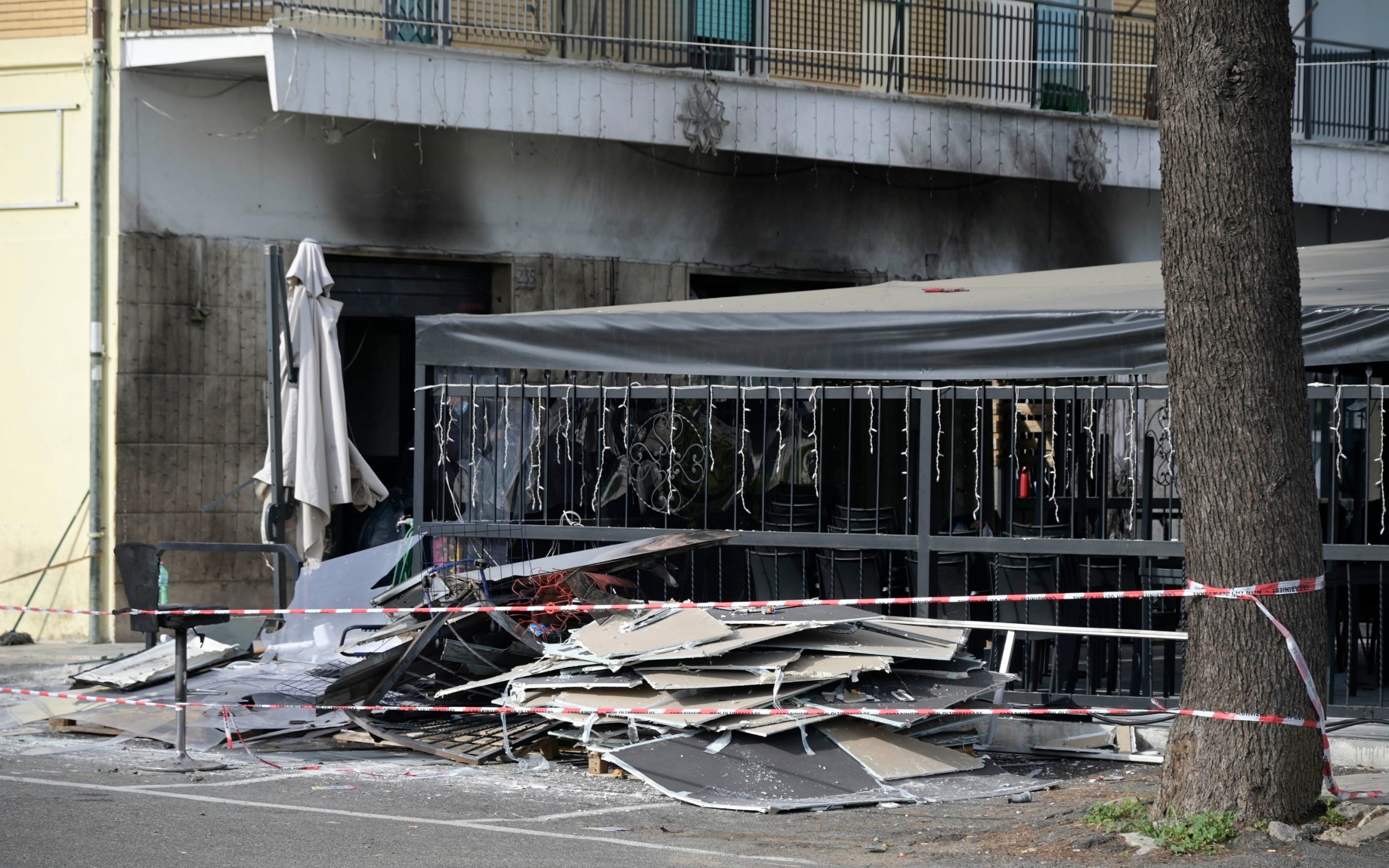
Scorch marks cover the exterior of the Elegant Monkey bar in Castelverde - Victor Sokolowicz
But other locals were more forthcoming.
“The bombing was a big surprise,” said Claudio Cutri, 53, who runs a photo-printing shop next to the bar. “We have never had something like this happen.”
He believes it is linked to the drugs trade. “We just try to get on with our work and not get involved. But people around here are frightened – they’re worried that it will happen again.”
Source: Crime
