Sports

I Went on a Cowboy Road Trip Through the American West—and Finally Learned to Disconnect

Save this story Save Story Save this story It’s dusk in Montana, and I am sitting on a porch, huckleberry lemonade in hand, watching the sun set behind the Big Sky mountains. To my left, a string of horses are grazing peacefully in a meadow; to my right, a coterie of children are throwing footballs and making s’mores on a campfire as the distant twang of bluegrass ripples through the air. It is unquestionably idyllic. I, a born-and-bred Londoner, am momentarily situated within a pastoral fantasy of the American West: the sort of scene that I didn’t believe existed outside of Ralph Lauren billboards. It turns out it does: at Lone Mountain Ranch .

Photo: Heidi A Long / Courtesy of Lone Mountain Ranch Lone Mountain is the first stop on my weeks-long quest to immerse myself in the cowboy lifestyle: a role (or at least an aesthetic ) that has, in recent years, infiltrated seemingly every demographic. As much as there is the libertarian agitprop of Taylor Sheridan’s Yellowstone cinematic universe, there are the coastal cowgirls who populate Ethel Cain and Chappell Roan shows; the enduring Cowboy Carter fandom; the obsession with Bella Hadid’s (ex-)boyfriend. No matter your inclinations, in 2026, the back-to-basics, willfully offline lifestyle of the American cowboy appears to maintain its long-standing allure—and, as fashion takes August off, I’m committed to spending the month figuring out why.

So, I fly from London to Bozeman—to an airport which more closely resembles a giant log cabin than a transport terminal—and find myself swept towards what I have determined is a soft entry into the rough-and-ready lifestyle. Lone Mountain, just over an hour’s drive away, is a dude ranch that comprises a series of beautifully bedecked, individual cabins scattered across its vast property. (While it is not my first time in a cabin on a ranch, it is certainly the first time that it’s incorporated a freestanding bathtub with three types of locally-sourced salts, Frette bathrobes, and a Dyson hairdryer.)

Photo: Heidi A Long / Courtesy of Lone Mountain Ranch The ranch, first established in 1915, was initially conceived as a one-stop-shop for the complete cowboy experience—and, a century on, has only enhanced its original mission, offering everything from trail rides through its astonishingly beautiful 148 acres to a weekly, on-site rodeo; archery lessons in its forests to fly-fishing in its creeks. Turn up ill-equipped, and they have a cozy outpost stocked with essentials from Lucchese boots and Schaefer jackets to Stetson hats to complete your transformation.

Photo: Eric Martin / Courtesy of Lone Mountain Ranch Then, there is the Horn and Cantle restaurant, where we eat bison short rib and elk meatballs the size of baseballs (“cowboy portions”) beneath a mountain lion resting on the rafters. Or, for those seeking something that speaks to the affluent rancher demographic that now populates Big Sky, the on-site, leather-lined members’ club, The Auric Room (where Taylor and Travis are known to hang out), where we are served caviar and fancy Big Macs by the most charming hosts imaginable, alongside people pairing Birkins with their cowboy boots.

Photo: Courtesy of Lone Mountain Ranch But home comforts aside (and there are infinite examples of glorious Western hospitality on offer here: flasks of coffee and cream arrive silently on our porch before we wake up, and chocolate cowboy hats have appeared on our pillows when we return home), perhaps the best bit about Lone Mountain is its proximity to Yellowstone, the national park through which it offers guided tours. We really lucked out when we were assigned Randy: a Montana native and former wildfire fighter who, at the beginning of our day together, beamingly tells us “everybody wants to be a cowboy now… but Yellowstone is the last wild place in America.” As we drive through the park with him, he explains everything from the evolution of its geothermal landscape—Yellowstone contains more than half of the world’s active geysers—to the shifts in its biodiversity since wolves were reintroduced to the ecosystem; the politics around Big Sky’s land ownership since Bill Gates and Oprah moved in, and it became the “Hamptons of Montana” to the lifecycles of the hundreds upon hundreds of bison we see rutting across its plains.

Photo: Ronan Donovan / Courtesy of Lone Mountain Ranch In fact, we are so sold on the glory of nature that when my travel companion and I leave what feels like our three-day honeymoon at Lone Mountain Ranch, we evolve our plans so that we can almost immediately return to the park. We are two city-dwelling fashion editors—not exactly outdoors aficionados—but Randy has fully convinced us that we need to see the other half of Yellowstone (the park is divided into two main loops, and a day is only really enough to visit one). On the recommendation of a friend who spent her childhood summers there, we drive over to Chico Hot Springs—a resort with far fewer frills than Lone Mountain, but which is simply great nonetheless—which comprises a series of rooms, lodges and cabins built around two geothermally-heated pools. Backing onto the bar, and staying open until 11 p.m., the pools remain filled with men wearing their cowboy hats in the pool and reading Bibles on loungers late into the night, who will happily explain the rules of shuffleboard, or their complicated feelings about the division between church and state. We are delighted; we extend our stay.

Despite the fact that, without Randy leading the way, we get a flat tire moments before arriving back in the park, our second trip to Yellowstone is as good as the first (not least because we now come equipped with his understanding of the landscape). Endless hours spent in a remote mechanics shop, and an extensive (albeit picturesque) trip to trade our rental, mean that we arrive at sunset—just in time to see the Grand Prismatic Spring (the largest hot spring in America, and the third largest in the world) transform into what appears to be a celestial body, its vivid rainbow basin just so unspeakably beautiful in the fading evening light that I burst into tears. We stay through the evening, until the park is pitch black and near-empty, to watch Old Faithful—apparently a particularly notable geyser—erupt with clouds of steam and columns of boiling water that we illuminate with torchlight. I’m under a week into my new life, and it appears I am fully invested in the wonder of the West. I hardly even bother blow-drying my hair on the wall-mounted hairdryer when I get back to Chico. (I do miss the Dyson, but I decide I can simply tuck it under my Stetson.)

Photo: Getty Images The following days’ itineraries revolve around, essentially, the most American activities we can conceive of: I download Tinder and match with a cowboy who offers to take us rafting down the Gallatin River, which we enjoy thoroughly; we drive over to Cody, in Wyoming, to stay in the Irma, a hotel founded by Buffalo Bill, and learn to shoot a Civil War-era Gatling gun at the local range. We pick up recommendations for restaurants as we go (Follow Yer Nose BBQ and The Old Saloon in Emigrant are both great shouts; the latter plays a constantly rotating stream of live rodeo and old The Price Is Right episodes), and sit in bars swagged with America 250 flags waiting for locals to illuminate us on local activities. (And they do: one night, we meet the world’s best cattle auctioneer—as awarded in North Dakota last year—and he invites us to an auction where we learn the difference between a steer and a heifer.)

Photo: Getty Images We go to the nightly Cody rodeo, and to the assorted museums (many of which are Buffalo Bill themed, or feature an astonishing amount of artillery). We scour thrift stores and leave the Irma to stay above a barn on a llama farm in the town of Pinedale (town slogan: “we have all the civilization you need”), where we discover that llamas are used to pack the bodies of elk on hunts and I spend immeasurable stretches of time silently watching the animals gallivant towards the endless horizon. We begin to feel immersed in our new lives, where our phone signal is intermittent, but our new hobbies—and friends—are plentiful. When I ask a man in a bar what he makes of the tourists who are starting to infiltrate his world, and why he thinks that might be, he tells me simply that, out here, people just want to have a conversation with you and don’t care what your job is. I realize that nobody has asked me anything about work in weeks, and that my constantly frenetic nervous system has begun to still.

Then we make our way to our final destination: Hyattville (population: 75), then Paintrock Canyon Ranch , to camp for a week on 80,000 acres that promise no phone signal or electricity, but plentiful horseriding. It is only my second time camping—and the first was with Haider Ackermann, in the most luxurious set-up imaginable, so it doesn’t quite feel like it counts—and I am slightly apprehensive about the lack of amenities. But as soon as we see our tents, pitched amidst a meadow and beside a babbling creek, I am sold on my new home. Then, when I unzip to see a wooden dresser and a king-size bed with linen so soft that every single person comments on it at breakfast the following morning, I never want to sleep anywhere else again.

Photo: Julie Pointer Adams / Courtesy of Ranchlands The first evening, we settle into our new surrounds: at dinner around a giant picnic table upon which platters of fire-cooked steak and vegetables appear, we meet the nine fellow guests with whom we’ll be spending the following days, and who range in riding experience from complete novices to one woman who lives across the valley with ten horses. As the sun sets, we collectively descend to the campfire with our blueberry pie and thick cream to begin to discuss our respective lives, and what brought us to remote Wyoming. Without phones, laptops, or televisions to return to, we all stay talking long into the night, like teenagers on a school trip.

Photo: Courtesy of Ranchlands The next morning, we awaken to coffee, fruit, and yogurt served in our communal lounge tent before sitting down for another delicious meal somehow magic-ed from the “kitchen tent” and going to meet our horses at the nearby stables. What unfolds is a series of days that we came to collectively refer to as adult summer camp, where we spend our mornings riding for endless hours in groups of two or three through some of the most beautiful landscapes I’ve ever seen—across sandstone hills striped in infinite shades of red, only punctuated by silvery-grey sagebrush, or between the dramatic crags of limestone cliffs. I learn to canter within vast expanses of unpopulated, untouched wilderness beneath infinite skies, where the only things that appear on the horizon are occasional clusters of cattle, or packs of horses roaming the terrain.

Photo: Courtesy of Ranchlands When we return to camp in the afternoons, we all gather to learn ranch skills like roping or leatherwork from the wranglers (I make a terrible roper, as well as a terrible leatherwork coaster; others fare better). By the third day, we’ve all formed a sort of utopian collective where, afterwards, we grab armfuls of beers and freshly-brewed iced tea and make our way down to the swimming hole to sunbathe, skim stones, and discuss who’d be best suited to which role if a freak avalanche were to trap us all in camp together forever (we unanimously nominate Sarah, a divorce lawyer from Utah, our president). There are no clocks; no phones. It’s, to put it bluntly, paradise.

Photo: Courtesy of Ranchlands Photo: Courtesy of Ranchlands My companion and I spend our days riding with Grace, the daughter of Duke Phillips III: a third-generation cattle worker who started Ranchlands in the late ’90s with the belief that ranching is “the greatest alternative to large-scale conservation.” At drinks one evening, he joins us—his remarkably good handlebar mustache and low-tipped cowboy hat presenting the perfect picture of a Wyoming rancher—to explain, in few words, that nobody understands the land like those who work in harmony with it. He explains that, at Ranchlands, they breed their cattle in alignment with a program that I become disproportionately fascinated by, which works to evolve cows that are best suited to the natural environment so that they require minimal human intervention to thrive—and they can, in turn, improve the ecosystem through regenerative grazing (my learnings from the cattle auction really begin to pay off here). When he and Grace begin to discuss their apprenticeship program, which recruits young people from both urban and rural environments to consider land as “a multi-dimensional resource” while training them across hospitality, management, marketing and conservation before they join one of their four ranches, I become somewhat convinced that ranching can save the world.

Photo: Julie Pointer Adams / Courtesy of Ranchlands “Everyone in this world is deeply connected to land—whether it’s a ranch, or their garden,” reflects Grace as we sit by the creek one day, eating our (consistently delicious) packed lunches as our horses doze under the trees. “And today, to provide an open space where people can breathe feels more important than ever.” Over the weeks, I’ve quizzed everyone I’ve met about what it is about the American West that has taken such a hold on the world; why the image of a cowboy still appears so remarkably cool; how a nation’s mythology can appeal even while the nation itself appears in abject crisis. Nobody had quite been able to put a finger on it until Grace.

These weeks, these open spaces have given me the opportunity to catch my breath: to lounge on porches and watch the sunset, to silently watch the stars outside my tent, to spend long days phoneless and horseback, to sit in excited darkness waiting for a geyser to erupt. I don’t even have a garden back in London, but I am connected to something here—and she’s spot on: right now, it feels more important than ever.

Inside Rebecca Hall and Morgan Spector’s Art-Filled Hudson Valley Home

Sterling Point ’s Lakeside Filming Locations Are the Ultimate Fall Getaway

Meet the Women Leading Norway’s Seaweed Revolution

The Vogue Runway app has expanded! Update to the latest version to see all Vogue content, as well as new features like our Runway Genius quiz, Group Chats, and posts from Vogue contributors.

Become a Vogue Business Member —the ultimate resource for fashion and beauty industry professionals.

Never miss a story: Add Vogue.com to your preferred sources in Google.


Source: Lifestyle

I Went on a Cowboy Road Trip Through the American West—and Finally Learned to Disconnect

Save this story Save Story Save this story It’s dusk in Montana, and I am sitting on a porch, huckleberry lemonade in hand, watching the su...

Popular Disney theme park ride to close after 33 yearsKirk O’NeilMon, November 2, 2026 at 11:37 PM UTC

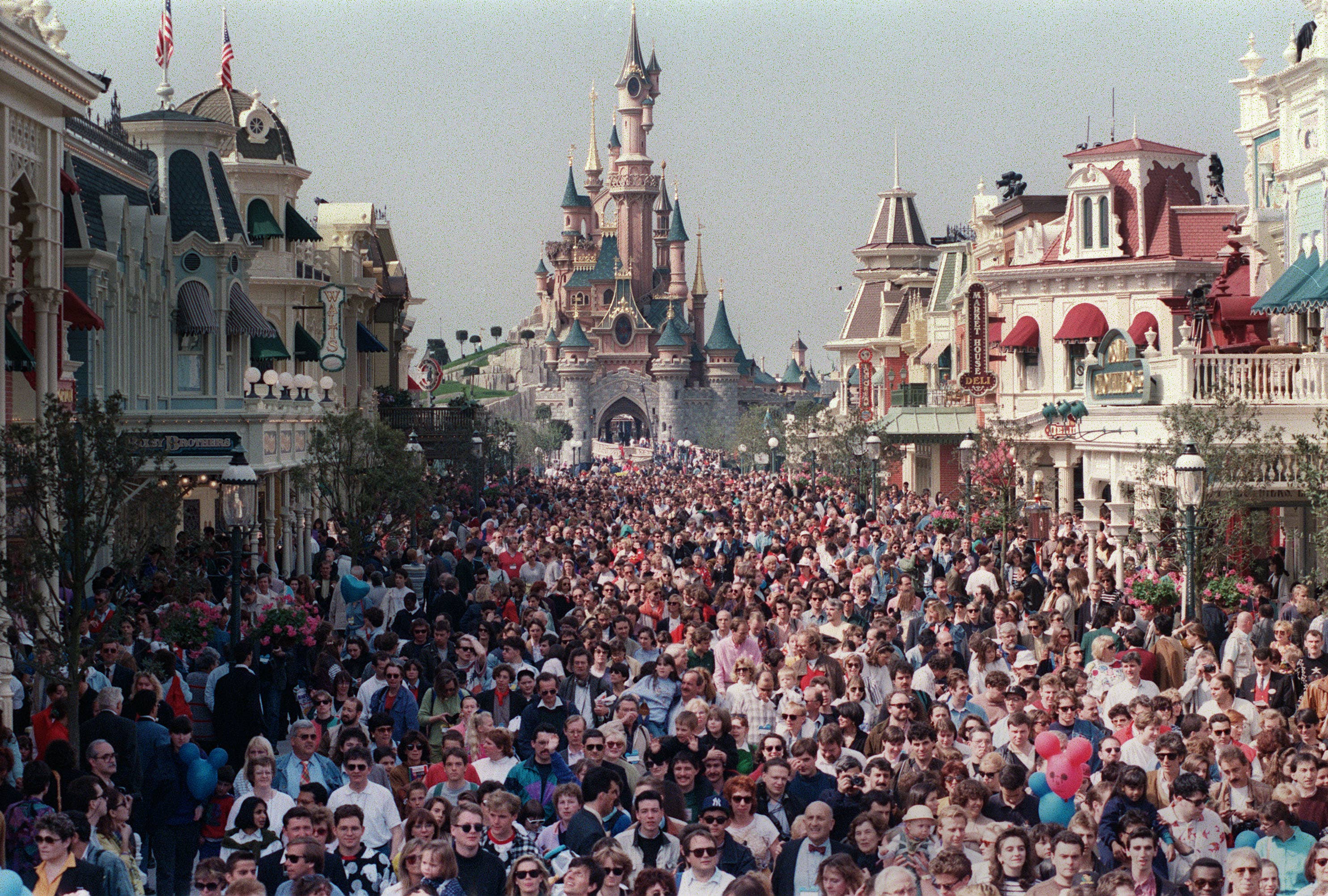
When Disneyland Paris first opened its gates on April 12, 1992, it was known as Euro Disney and featured 14 attractions, including iconic Pirates of the Caribbean, Peter Pan’s Flight, It’s a Small World, Star Tours, and the French version of Pinocchio’s Daring Journey.

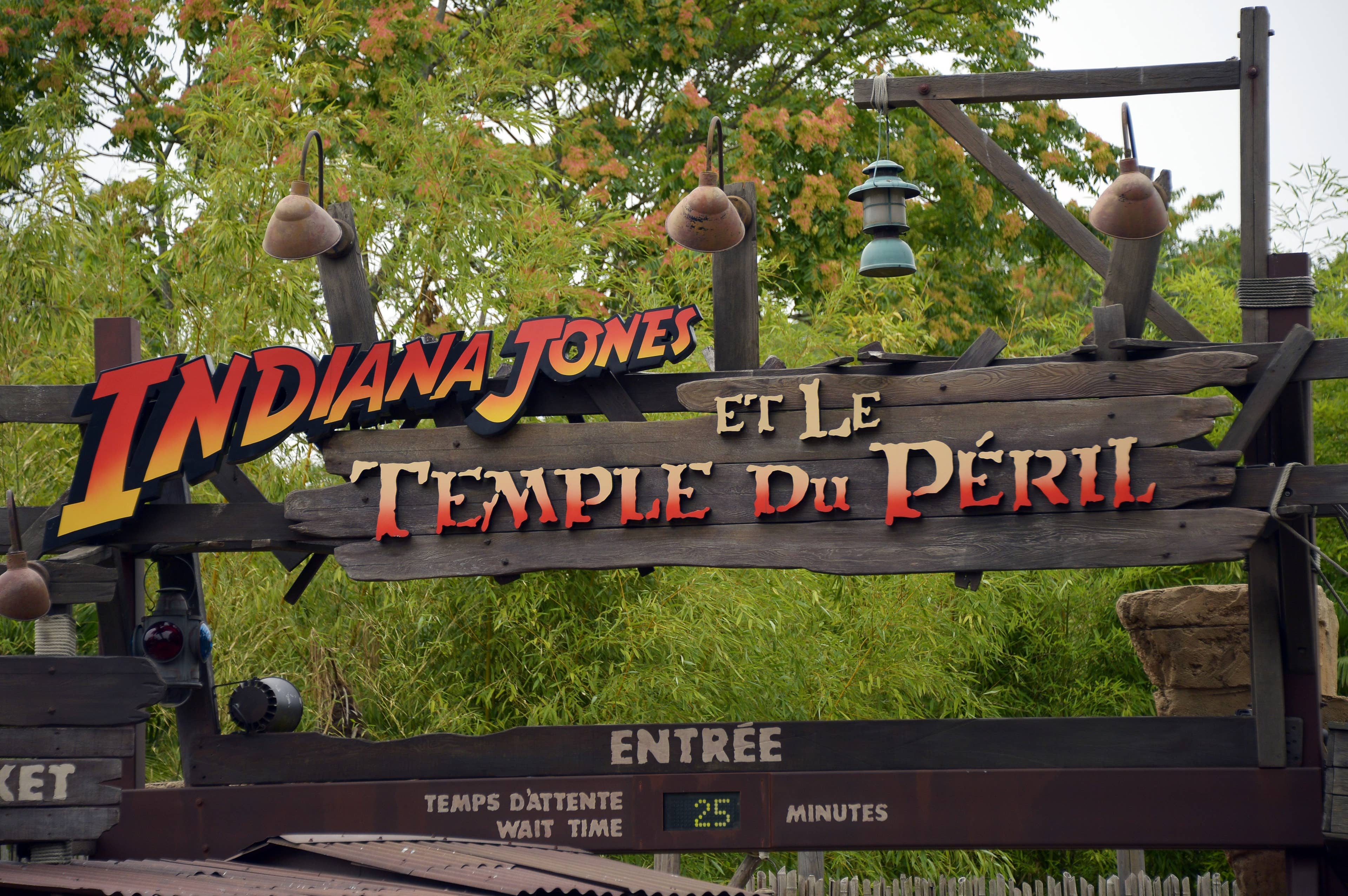
The Paris Disney park a year later launched one of its most popular attractions that has some of the longest lines when it opened the Indiana Jones and the Temple of Peril ride on July 30, 1993.

Construction of Euro Disney’s Indiana Jones ride was the fastest development of a Disney theme park attraction since the original It’s a Small World ride in 1964 at Disneyland in Anaheim, Calif., taking only 9 months to build, according to a Disney statement at the time.

BERTRAND GUAY / Getty ImagesDisneyland Paris closes Indiana Jones ride

Fans of Indiana Jones and the Temple of Peril at Disneyland Paris have only two months to get in line to ride the attraction before it closes for an undisclosed amount of time on Jan. 4, 2027. The last operating day will be Jan. 3, 2027.

“Calling all adventurers: Indiana Jones and the Temple of Peril will be closing for a major renovation! From 4 January 2027, this iconic attraction at Disneyland Paris will close for several months to undergo its most extensive renovation since it first opened,” the theme park said in a statement.

Staff from Walt Disney Imagineering Paris, Design & Delivery, and Maintenance will launch a major renovation of the attraction which will include completely rebuilding the stones that form the Temple of Peril, conducting maintenance on the ride’s track and its supporting structures, including rails and footbridges, and replacement of guardrails and wooden and metal cladding.

Ride to be dismantled and restored

Various decorative elements of the attraction will be dismantled and transported to Disney Central Workshops to be fully restored to their original appearance.

The maintenance team will also rebuild the wooden walkways in the queue area and restore staircase decorations, campsite scenery, and the attraction’s 4×4 vehicle. Lighting for the attraction will be with new spotlights and lighting effects.

The Walt Disney Company has announced other major closings and openings of Indiana Jones rides across its theme parks over the last two years. Disneyland in Anaheim closed its Indiana Jones Adventure ride on Sept. 8, 2026, for refurbishment and reopened the popular attraction on Oct. 23, 2026.

Indiana Jones ride replaces Dinosaur

The largest change involving an Indiana Jones ride was Disney’s August 2024 announcement that it would close the Dino-Land USA area at Walt Disney World‘s Animal Kingdom in Orlando and replace the Dinosaur ride with a new Indiana Jones ride in the parks’ new Tropical America’s land.

Dino-Land USA closed on Feb. 2, 2026, and the new construction will also include an “Encanto” attraction, in addition to the Indiana Jones ride.

Tokyo Disneyland ride closures

Other ride closures at Disney parks include Tokyo Disneyland’s Jungle Cruise ride, which will be closed Jan. 6, 2027, through March 2027, and its Peter Pan’s Flight ride, which will be closed from Jan. 6, 2027, until Feb. 2, 2027, both for maintenance, according to Tokyo Disney Resort.

Related: Global award-winning whiskey company files Chapter 11 bankruptcy

This story was originally published by TheStreet on Nov 2, 2026, where it first appeared in the Retail section. Add TheStreet as a Preferred Source by clicking here.


Source: Entertainment

Popular Disney theme park ride to close after 33 years

Popular Disney theme park ride to close after 33 yearsKirk O’NeilMon, November 2, 2026 at 11:37 PM UTC When Disneyland Paris first opened ...

The Real-Life Diet of John King, Who Hides Mini Protein Bars Behind the Magic Wall on Election Night

Save this story Save Story Save this story Nobody white knuckles Election Day the way John King does. Since 2008, CNN’s chief national correspondent has spent his midterm and presidential elections in wizard-like command of the Magic Wall—the omnipresent interactive map that drills into granular data from county to county as votes trickle in. (This year it will also include stats that show whether the cost of gas, rent, or groceries have increased or decreased in specific precincts.) The so-called charthrob has also completed some especially long shifts—working back-to-back 12- to 16-hour days during the 2020 presidential election, when results took about a week to tabulate. This year, to prepare for the midterms, he’s been traveling nonstop between battleground states, interviewing sources to stay on top of the national mood. “The way to be at my best on election night is to actually do the homework by visiting those places in the year and a half or so leading up to the election,” he says.

That is no easy task, given the 63-year-old dad of three also lives with multiple sclerosis. To keep his symptoms in check and his head cool as results pour in, he’s created a disciplined regime that includes hitting the gym no matter how little sleep he gets, keeping a mental map of healthy places to eat in flyover country, and occasionally giving himself time to sightsee—or stare at a wall. GQ spoke with King a week ahead of Tuesday’s races to learn how he keeps steady amid the chaos.

John King: All this year, I’ve been on the road, on average, about two weeks a month for the midterm cycle. And we started obviously late last year. You have to do that. This last week is particularly grueling. Normally we go out and we do one state and we travel into say, North Carolina. We were there for three days. We went to Texas and we were there for four days, three nights. The schedule’s pretty busy on those days, but you have a little bit of breathing room and you can make time for a hotel gym and you can search a little bit to find a better restaurant that might have a few actual salads or fresh fish on the menu. This week, we’re doing five states in five days.

That included working until about 10 o’clock on Monday night and then having to catch a 6 a.m. flight Tuesday morning. It included last night wrapping at about 8 o’clock in Detroit and having to drive four, four and a half hours into central Ohio to be here today. On those days, you’re not really in control of your schedule. Your schedule is in charge of you. You just have to be somewhere at a certain point the next day. So everything is driven by that.

So can you fly there? If not, you have to drive there. And in those situations, if you’re talking about trying to keep a healthy diet, that becomes a pretty tough challenge. You’re driving past the McDonald’s and the Burger Kings and the Culvers and you’re thinking, Oh, wow, that looks great. And you shouldn’t go anywhere near it.

Sometimes you do. Sometimes you do because you decided you deserve a treat. Sometimes you do because you have no choice. My philosophy about that is, like anything in life, if you indulge, then you just have to pay the price on the other end. So that means having yogurt and granola for breakfast and some berries, and that means making sure you get to the gym .

I’m psychotic about the gym. In part because I have multiple sclerosis and I have some mobility challenges sometimes. At the end of just about every day, I get what the doctors call MS fatigue. You get headaches and your legs are very heavy. And so I have found in dealing with this that if I exercise in the morning, it really helps me. And so the other day, when we had that 6 a.m. flight, even though I didn’t get to bed until 11 at night, I got up at 2 in the morning and went to the hotel gym.

I’m trading sleep for exercise , which if you do that over 10 days, two weeks, you’re going to pay a price for it. But we’re doing five states in five days. It’s going to be pretty grueling anyway. We had an early start this morning. We had to be to a farm pretty early, and so I was at the hotel gym at 5:30 in the morning. That’s just part of my routine.

That depends on how much time I have. If I can, I work out for about 90 minutes in the morning. Every gym is a little different. Some hotels are great, some hotels are in-between. The hotel we stayed in last night was a bit of a time warp. The equipment was pretty old. If there’s a recumbent bike, I obviously have either emails from overnight to read or news articles to read or things to write. So I’ll spend 30 minutes or so on a recumbent bike, where I’m pedaling to get my body warmed up and I’m also doing some work, reading and communicating about the day ahead.

And then I get on the treadmill for a little bit. I’m not a runner, but I can jog a little bit, or do incline treadmill just to get my heart rate up a little bit, and then try to do a little bit of light weights if I have the time.

You do what you can. I’m pretty set in that I bike because I have to do some administrative stuff and that’s easiest on the bike. And then I get on the treadmill where I just try to listen to music and zone out a little bit. And if I can, I’ll do a quick circuit of some light weights because if you just do cardio , that one beer you have at the end of the night stays with you. So you got to do the weight.

I don’t usually write scripts or anything, but I will write to people back in Washington who are asking me questions. Or if I’m trying to find somebody on trips like this, a lot of stuff we do on the fly. I’ll occasionally write graphics. If I know I need to write a graphic or in the middle of a process, if we’re editing a piece, the editor might send me a graphic that they’ve done, What do you think? I’m not trying to write my actual scripts for pieces. Sometimes I tweak them, but if I tried to write them from scratch on a bike, I would lose my mind.

You have no choice. If I’m going to get my exercise in, at least part of that, it’s going to have to include some work time.

Yes. When I travel. I started this when I covered the White House—I covered the White House for 10 years—especially on international trips where you’re living on local time wherever you are in the world, but our CNN programming is on US time. I would have what I call the 20-minute rule where no matter how tired I was, if I was in a cool place around the world or even in the country, I just tried to get outside of the hotel for 20 minutes of me time. And so if you’re in Paris, you take a walk and stare at the Eiffel Tower.

I remember the Bush-Putin trip to Estonia where Bush said he looked into Putin’s soul. That became a big controversy. I remember after that day—we were on television all day and it was a big day—just walking around and looking at the architecture. The Berlin Wall had come down. We were a decade past that or more. But in a lot of those countries, you’d have this fabulous European architecture, like you’re in Paris or like you were in Prague, and then across the street would be this horrible concrete structure that the communists built.

And so that’s how I learned. I’m a kid who grew up in Dorchester, Massachusetts. My family had no money. We never traveled. So I have this enormous gift of this job that sends me everywhere. And so I really think it’s important both for the curiosity part of it, but also I have a lot of work to do, but I’ll actually be more efficient at my job if I take 20 minutes to just say, “Wow, this is a cool place. Let’s enjoy it.”

I don’t think of myself as someone who meditates, but do I sit still sometimes and listen to music. I try to keep up with the books my son in high school is reading. Sorry, CNN, sorry, politics, sorry, campaigns. I’m filing you away for 15 or 20 minutes. That’s absolutely critical to mental health.

I try to pack a carry-on on this trip because we’re out for five days. Plus, on the tail end of it, I have to go to New York City because my daughter lives in New York City and she just got engaged and we’re having a celebration for her on Saturday night.

Thank you. It’s a really amazing time. And of course, it all comes in a tornado, but that’s fine. But I have to bring a suit and I have to bring some other clothes. And as I said, my exercise is important, so I have to pack gym stuff. So usually I think of myself as a very efficient, tight packer so that I can have a carry-on bag, just so, number one, they can’t lose it. And number two, you can keep moving faster. But on this trip, I actually have to check my bag because I’m on the road for six days and then I’m going to New York for two more. I don’t like checking a bag, but so be it. I have to do it on this trip.

I operate on East Coast time all the time. I get tired. I wouldn’t really even call it jet lag because I try to keep my body on East Coast time and my brain on East Coast time because that’s who I report to. After international trips, I’ll get jet-lagged, but exercise is important, number one. I drink too much coffee, and so on a long trip, that can get to you. Your body gets a little jittery if you have a little bit of jet lag. You try to sleep when you can. One thing I was never good at until campaigns is napping . Now I can take a 20-minute nap. There was a time in my life I could not nap. I can take a 20-minute nap now, which helps you sometimes when you need to. But I’m just trying to think of the last time I had really profound jet lag. I can’t have jet lag, I guess.

Yeah. I’m not allowed. My work doesn’t allow me normally, so I just bull through it. That doesn’t mean I don’t get tired. This trip is going to be grueling. I’ll get to New York on Saturday and I’ll have three or four hours before my daughter’s dinner and I’ll need to get to the gym, but I’m also betting I’ll stare at a wall for a few minutes and just be like, Whoa. But I don’t dwell on it because I can’t.

It gets hard on the hotel menu. Most hotels now at least will have a yogurt parfait or at least yogurt. There’s a very wide—what do we want to call it?— quality control or quality between the different kind of hotels you stay at.

We’ve been to Wisconsin several times. There’s a hotel called The Trade in Wisconsin we always stay at and they have a spectacular yogurt granola parfait bowl. I know in the morning I’m going to have a nice, healthy breakfast. Other places, it’s a challenge and you can’t find it or you just have no choice. So you grab the bacon, egg and cheese sandwich and that means I’m having a salad for lunch.

Then when you’re on the road, like last night, we were driving here, we had a four-and-a-half-hour drive, so you stop at a random gas station in small town America and you’re a little hungry. I try to grab the almonds, not the potato chips. Luckily, I’ve never been a sugar person , so I’m not going to drink soda that has sugar in it. I don’t even really drink diet soda. But on the road, it’s mostly water and coffee . And then, I’d be lying if I didn’t say I’m very happy if I could find a cold beer at the end of the day.

Yesterday, we had fantastic Middle Eastern food in Dearborn, Michigan. Just a chicken salad, falafel. And we’ve been back there a couple times. There are a couple other places where we know of these small businesses, just some local person has started, just a place where they just have salads and healthy smoothies. When we’re in those towns, we go back to those places because we’re grateful they’re there and they help us reset the bad-road-food meter.

It’s as if you have a magic food map in your mind, one would say. If I’m in Kansas City, I’m going to Arthur Bryant’s barbecue, and that is full of sodium and it’s not good for you, but it’s amazing.

Part of it, especially since my MS diagnosis, I know that I’m going to get tired. I may have issues with both my leg and my hand functions. You learn a lot more from your struggles than you do from your successes, and I’m much more aware of my body on a daily basis, even on a minute-to-minute basis of how I’m doing and what are my challenges at the moment. Hydration is critically important.

On election night, I might be standing for 16 hours. It’s probably closer to 12, but it might be 16. If you go back to 2020 when we had the election that went on all week, we didn’t call the election until Saturday. I was on my feet for 14 or 15 hours the first night, and then 12 hours the next day, and then 12 hours the day after that. That was a huge challenge.

That week was the longest. I’ve been on the road for campaigns covering candidates where it’s event, bus, presidential campaigns, you’re going from state to state. So it’s event, bus, plane, event, bus, plane, event, bus, plane. They’re handing you a box. You don’t even know what’s in it, but you eat it. Because it’s the only food you’re going to get for the next 10 hours.

In the studio, I’m standing on my feet the whole time, but I have access to cold water. Somebody can get me a coffee. If you’re on television, you’re just asking for it if you try to eat a salad or anything like that because it’s going to get in your teeth and you don’t have time to go down the hall. You just don’t. You’re on live television. So I get little tiny mini protein bars and put a few of them behind the Magic Wall. And if I feel like I just need a little energy boost, I’ll eat those. I drink more coffee than I should, but coffee will help me when I need a boost. And then when I’m done, I can go to sleep. I can have a Nespresso after dinner and go to bed. My colleagues hate me because of that.

When I am sometimes challenged by the MS issues I have, it’s when something surprising happens and I’m not prepared for it. And then an hour into having to do something that I didn’t know I was going to have to do, I might think, Wow, my legs are jello, or having, they call it MS brain. It’s like a foggy brain issue sometimes.

But I know the election is Tuesday. A lot of people ask me, “Why are you going on the road for five days? You don’t need to do that.” I do need to do it. Professionally, I need to do it. Physically, I will pay a price for this, but I know that. And so you just prepare for it.

The human brain is amazing. I don’t pretend to understand it, and MS has a lot of mysteries, but from when I was first diagnosed to now, I can prepare myself for something and I’ve been able to get through it, knock on wood, which is my skull.

I was diagnosed in 2008, and so we’ve had many big election nights since then, and I’ve gotten through them, and I’ll get through this next one. And then when it’s over, I will collapse. I’ll go home and I’ll fall into bed and I’ll sleep. But if I have to get up in four hours and do it again, I will. I’ve just trained myself to do that.

I work out a lot so that I stay fit physically and that I have good stamina. I’m 63 years young, as I like to say, so it’s important anyway that you stay more physically fit and more active in your body. Part of that is preparation.

In 2020, I was having issues with my hands, and my hands have to navigate a touchscreen Magic Wall. It’s hard for me to explain because you can’t see it, but the few people who have been around me when I’m having some struggles could see it. I have to watch more closely. I have to follow my hand because I can’t trust it to get where it’s going to go because it’s not connected to my brain.

I don’t know what’s in front of you right now, but if you have a notebook or a glass of water, you see it and you reach for it and then you stop looking. You don’t watch your hand anymore. You know where your hand’s going, your hand knows where it’s going. It picks up your phone. It starts typing on your keypad. Sometimes I have to watch my hands. I have to watch my hand pick it up, and then I have to check to make sure I have a good grip on it because I can’t feel my fingers.

I can’t feel the extremities. And so I will squeeze something extra tight. Sometimes, if you watch me on television, if my feet seem abnormally wide in my gait when I’m walking, that means I’m having balance issues and I spread my legs a little bit. To the naked eye, nobody sees that. If you’re around me all the time, you might say, “John’s walking a little weird today.”

MS is really cruel to some people. MS sucks for me. MS challenges me, but I have been able to manage it thanks to good doctors and thanks to personal discipline. I call it my visitor. If my visitor is active on any given day, my attitude is, okay, well, I can’t kick you out, so I have to figure out how to deal with you, and you just do it.

You mentioned that after a long shift you will crash. What is your ideal sleep and recovery and routine to get back to normal? As much as I can. And then, if I have to come back at it the next day like I did in 2020, I was going home and getting three or four hours sleep, and maybe I could’ve had five or six hours sleep, but I know that I have to do that 45 minutes or 50 minutes of exercise to be able to function. So I have to cut my sleep short to get the exercise. That’s the way I have to do it to function. I’m able to get through it. Could I do that for a month? I hope I never have to answer that question. I was able to do it for a week in 2020. 2024, you’re still doing stuff the days after the election. We just didn’t have that long drawn out uncertainty.

I do not have trouble falling asleep. Even when I’m having a pretty good MS week, I have never had trouble sleeping. When my brain knows I’m done, I’m off the set, I’m in my office, I’ve had whatever post-action meeting I have to have, my brain tells me, “You’re done.” That means I’m going to find a bed, and I will sleep. I’ve been blessed so far, and I assume this will continue, that when I need to get back at it, I just get back at it.

Attitude is everything, especially if you’re tired or you’re struggling or things aren’t going well. Could I give you a list of complaints about my life? Could I give you a couple of complaints about where I work? Of course I could. Everybody can. As somebody who sometimes goes down to the gym in the basement of our office, why isn’t the office gym a little better? I mean, get over yourself. I think attitude is everything.

I say this as a sinner. When I was initially diagnosed, I was taking that out on other people sometimes. There were times when it was either the stress of work—this can be a stressful business sometimes—or the stress and the fear. I was being a grumpy person, not being a good colleague. If you feel that, take a walk, get away and just have a good attitude. In traveling the last two years, when you see the struggles that working families are going through across this country right now, I’ve always considered myself to be the luckiest person in the world. And when I feel myself starting to complain, I just give myself a whack in the head and say, “Dude, get over it.”

Attitude is incredibly important. That’s not a hack. It’s not a secret. It’s not a supplement, but look yourself in the mirror every morning and just go to it. Live your day in a way that you can look yourself in the mirror at the end of the day, and hold the gaze.

In Real-Life Diet , athletes, celebrities, and other high performers talk about their diet, exercise routines, and pursuit of wellness. Keep in mind that what works for them might not necessarily be healthy for you.

10 Ways to Build Muscle as Fast as Humanly Possible

What Is HDL Cholesterol and How Do You Raise It?

How to Catch Up on Sleep the Right Way , According to Experts

Matt Damon Did a Gut Cleanse to Prepare for The Odyssey —Should You Try One?

Not a subscriber? Join GQ to receive full access to GQ.com.


Source: Celebrities

The Real-Life Diet of John King, Who Hides Mini Protein Bars Behind the Magic Wall on Election Night

Save this story Save Story Save this story Nobody white knuckles Election Day the way John King does. Since 2008, CNN’s chief national corr...

Fantasy football Start ‘Em, Sit ‘Em: 16 players to start or sit in Week 9

About Our Ads Advertisement Advertisement Advertisement After several four-team byes, NFL fans will be treated to a simple two-team bye in Week 9.

The Pittsburgh Steelers and Tennessee Titans will be the two teams that get the week off. That will leave fantasy managers searching for replacements for the likes of Jaylen Warren , Tony Pollard and DK Metcalf , among others, but there should be extra streaming depth with 30 of the league's teams in action.

Of course, the bigger issue for many fantasy football managers will be finding a replacement for Lamar Jackson . The star quarterback lasted just one snap in his return from an ankle injury before suffering a thumb injury that could be season-ending.

Luckily, a couple of great-looking streaming options are available this week for fantasy managers to target on the waiver wire.

Who can you start and sit in fantasy football for Week 9 of the 2026 NFL season? USA TODAY Sports outlines eight players to start and eight to sit:

1. Lamar Jackson, Baltimore Ravens (2024) - 430.4 points (Vincent Carchietta, Imagn Images) 2. Patrick Mahomes, Kansas City Chiefs (2022) - 417.4 points (Jay Biggerstaff, USA TODAY Sports) 3. Patrick Mahomes, Kansas City Chiefs (2018) - 417.1 points (CHUCK KIRMAN, THE STAR) 4. Lamar Jackson, Baltimore Ravens (2019) - 415.7 points (Kelvin Kuo, USA TODAY Sports) 5. Peyton Manning, Denver Broncos (2013) - 410 points (Ron Chenoy, USA TODAY Sports) 6. Josh Allen, Buffalo Bills (2021) - 402.6 points (Rich Barnes, USA TODAY Sports) 7. Aaron Rodgers, Green Bay Packers (2011) - 397.2 points (Mary Langenfeld, US PRESSWIRE) 8. Josh Allen, Buffalo Bills (2020) - 396.1 points (Rich Barnes, USA TODAY Sports) 9. Josh Allen, Buffalo Bills (2022) - 395.5 points (Brian Fluharty, =USA TODAY Sports) 10. Josh Allen, Buffalo Bills (2023) - 392.6 points (Jamie Germano, USA TODAY NETWORK) 11. Drew Brees, New Orleans Saints (2011) - 391.6 points (Bruce Kluckhohn, US PRESSWIRE) 12. Tom Brady, New England Patriots (2007) - 390 points (Matthew Emmons, US PRESSWIRE) 13. Cam Newton, Carolina Panthers (2015) - 389.1 points (Brad Penner, USA TODAY Sports) 14. Aaron Rodgers, Green Bay Packers (2020) - 383.3 points (Dan Powers, via Imagn Content Services, LLC) 15. Justin Herbert, Los Angeles Chargers (2021) - 380.8 points (Kirby Lee, USA TODAY Sports) 16. Aaron Rodgers, Green Bay Packers (2016) - 380 points (Wm. Glasheen, USA TODAY NETWORK-Wisconsin) 17. Josh Allen, Buffalo Bills (2024) - 379 points (Gregory Fisher, Imagn Images) 18. Kyler Murray, Arizona Cardinals (2020) - 378.7 points (Joe Nicholson, USA TODAY Sports) 19. Jalen Hurts, Philadelphia Eagles (2022) - 378 points (Vincent Carchietta, USA TODAY Sports) 20. Tom Brady, Tampa Bay Buccaneers (2021) - 374.7 points (Max Gersh, Indy Star) 21. Patrick Mahomes, Kansas City Chiefs (2020) - 374.4 points (Jay Biggerstaff, USA TODAY Sports) 22. Daunte Culpepper, Minnesota Vikings (2004) - 373.3 points (Bruce Kluckhohn, US PRESSWIRE) 23. Joe Burrow, Cincinnati Bengals (2024) - 372.8 points (Cara Owsley, The Enquirer) 24. Cam Newton, Carolina Panthers (2011) - 370.6 points (Sam Sharpe, US PRESSWIRE) 25. Deshaun Watson, Houston Texans (2020) - 369.3 points (Troy Taormina, USA TODAY Sports) 1 / 25 25 best fantasy football quarterback seasons since 2001 1. Lamar Jackson, Baltimore Ravens (2024) - 430.4 points (Vincent Carchietta, Imagn Images) 1 / 25 25 best fantasy football quarterback seasons since 2001 1. Lamar Jackson, Baltimore Ravens (2024) - 430.4 points (Vincent Carchietta, Imagn Images) 2 / 25 25 best fantasy football quarterback seasons since 2001 2. Patrick Mahomes, Kansas City Chiefs (2022) - 417.4 points (Jay Biggerstaff, USA TODAY Sports) 3 / 25 25 best fantasy football quarterback seasons since 2001 3. Patrick Mahomes, Kansas City Chiefs (2018) - 417.1 points (CHUCK KIRMAN, THE STAR) 4 / 25 25 best fantasy football quarterback seasons since 2001 4. Lamar Jackson, Baltimore Ravens (2019) - 415.7 points (Kelvin Kuo, USA TODAY Sports) 5 / 25 25 best fantasy football quarterback seasons since 2001 5. Peyton Manning, Denver Broncos (2013) - 410 points (Ron Chenoy, USA TODAY Sports) 6 / 25 25 best fantasy football quarterback seasons since 2001 6. Josh Allen, Buffalo Bills (2021) - 402.6 points (Rich Barnes, USA TODAY Sports) 7 / 25 25 best fantasy football quarterback seasons since 2001 7. Aaron Rodgers, Green Bay Packers (2011) - 397.2 points (Mary Langenfeld, US PRESSWIRE) 8 / 25 25 best fantasy football quarterback seasons since 2001 8. Josh Allen, Buffalo Bills (2020) - 396.1 points (Rich Barnes, USA TODAY Sports) 9 / 25 25 best fantasy football quarterback seasons since 2001 9. Josh Allen, Buffalo Bills (2022) - 395.5 points (Brian Fluharty, =USA TODAY Sports) 10 / 25 25 best fantasy football quarterback seasons since 2001 10. Josh Allen, Buffalo Bills (2023) - 392.6 points (Jamie Germano, USA TODAY NETWORK) 11 / 25 25 best fantasy football quarterback seasons since 2001 11. Drew Brees, New Orleans Saints (2011) - 391.6 points (Bruce Kluckhohn, US PRESSWIRE) 12 / 25 25 best fantasy football quarterback seasons since 2001 12. Tom Brady, New England Patriots (2007) - 390 points (Matthew Emmons, US PRESSWIRE) 13 / 25 25 best fantasy football quarterback seasons since 2001 13. Cam Newton, Carolina Panthers (2015) - 389.1 points (Brad Penner, USA TODAY Sports) 14 / 25 25 best fantasy football quarterback seasons since 2001 14. Aaron Rodgers, Green Bay Packers (2020) - 383.3 points (Dan Powers, via Imagn Content Services, LLC) 15 / 25 25 best fantasy football quarterback seasons since 2001 15. Justin Herbert, Los Angeles Chargers (2021) - 380.8 points (Kirby Lee, USA TODAY Sports) 16 / 25 25 best fantasy football quarterback seasons since 2001 16. Aaron Rodgers, Green Bay Packers (2016) - 380 points (Wm. Glasheen, USA TODAY NETWORK-Wisconsin) 17 / 25 25 best fantasy football quarterback seasons since 2001 17. Josh Allen, Buffalo Bills (2024) - 379 points (Gregory Fisher, Imagn Images) 18 / 25 25 best fantasy football quarterback seasons since 2001 18. Kyler Murray, Arizona Cardinals (2020) - 378.7 points (Joe Nicholson, USA TODAY Sports) 19 / 25 25 best fantasy football quarterback seasons since 2001 19. Jalen Hurts, Philadelphia Eagles (2022) - 378 points (Vincent Carchietta, USA TODAY Sports) 20 / 25 25 best fantasy football quarterback seasons since 2001 20. Tom Brady, Tampa Bay Buccaneers (2021) - 374.7 points (Max Gersh, Indy Star) 21 / 25 25 best fantasy football quarterback seasons since 2001 21. Patrick Mahomes, Kansas City Chiefs (2020) - 374.4 points (Jay Biggerstaff, USA TODAY Sports) 22 / 25 25 best fantasy football quarterback seasons since 2001 22. Daunte Culpepper, Minnesota Vikings (2004) - 373.3 points (Bruce Kluckhohn, US PRESSWIRE) 23 / 25 25 best fantasy football quarterback seasons since 2001 23. Joe Burrow, Cincinnati Bengals (2024) - 372.8 points (Cara Owsley, The Enquirer) 24 / 25 25 best fantasy football quarterback seasons since 2001 24. Cam Newton, Carolina Panthers (2011) - 370.6 points (Sam Sharpe, US PRESSWIRE) 25 / 25 25 best fantasy football quarterback seasons since 2001 25. Deshaun Watson, Houston Texans (2020) - 369.3 points (Troy Taormina, USA TODAY Sports) Fantasy football players to start in Week 8 Quarterbacks Malik Willis , Miami Dolphins (vs. Detroit Lions )

Willis is starting to round into form for the Dolphins and has scored multiple touchdowns in three consecutive games. During that span, he has averaged 37.7 rushing yards per game, which will raise his floor in most matchups. The Lions have allowed the most fantasy points per game (FPPG) to quarterbacks this season, so Willis should be positioned to have a strong showing in what figures to be a favorable, high-scoring matchup.

Sam Darnold , Seattle Seahawks (vs. Arizona Cardinals)

The Cardinals are one of just three NFL teams to allow 18 passing touchdowns to quarterbacks this season, along with the Lions and the Las Vegas Raiders. Unsurprisingly, Arizona has allowed a league-high 29.8 because of that, so Darnold should be positioned for a nice outing in which he could toss multiple touchdowns.

Quinshon Judkins , Cleveland Browns (at New Orleans Saints )

Judkins has been boom-or-bust as a touchdown-dependent fantasy option, but he should be poised for a good outing against the Saints. New Orleans has allowed the most FPPG to running backs this season, including a league-high 11 rushing touchdowns to the position. With that in mind, Judkins should be able to find his way into the end zone.

Jonah Coleman , Denver Broncos (at Carolina Panthers )

Coleman took on a lion's share of Denver's backfield touches in Week 9, posting 104 total yards and a touchdown on 15 touches (11 carries, four receptions). The rookie should continue in that role and has a great matchup against a Panthers defense that has allowed the second-most FPPG to running backs this season.

Caleb Douglas , Miami Dolphins (vs. Detroit Lions)

As mentioned, the Lions have been weak against the pass this year. If we're recommending to start Willis, then Douglas should get a nod too, as the rookie has notched six receptions for 113 yards and two touchdowns in two games since returning from an early-season ankle injury.

Ladd McConkey , Los Angeles Chargers (vs. Houston Texans )

Trusting McConkey may seem risky, given that Justin Herbert has struggled under pressure this season. That said, the Texans are allowing the second-most FPPG to receivers this season and McConkey is fresh off a four-catch, 86-yard outing that was one of his best of the season. He should be in line for a solid showing against the Texans.

Mike Gesicki , Cincinnati Bengals (at Atlanta Falcons)

Gesicki has scored in five consecutive games and six of the seven he has played this season. Joe Burrow has thrown 13 touchdown passes over his last three games, so Gesicki should continue to have high touchdown upside regardless of his opponent.

Jacksonville Jaguars (at Baltimore Ravens)

The Jaguars are playing the Ravens on a short week. Baltimore is expected to start third-string quarterback Joe Fagnano , an undrafted rookie, after injuries to Lamar Jackson and Tyler Huntley . Fagnano completed 10 of 21 passes for 91 yards and an interception while being sacked three times against the Bills. The Jaguars should pressure him into numerous mistakes while their top-ranked run defense should be able to bottle up Derrick Henry .

Bryce Young , Carolina Panthers (vs. Denver Broncos)

Young has regressed over the last two weeks after a torrid start to the season, completing just 54.4% of his passes for 372 yards, two touchdowns and three interceptions during Carolina's two-game losing skid. The main issue? Young has been pressured a lot in those contests, and he has just a 64 passer rating when pressured compared to 106.3 when kept clean, per Pro Football Focus . The Broncos rank fifth in pressure rate league-wide, per the NFL's Next Gen Stats , so they should be able to limit Young in this favorable spot.

Bo Nix , Denver Broncos (at Carolina Panthers)

The Panthers have a banged-up secondary, but it still won't be easy to justify starting Nix. The Broncos quarterback has looked better recently, throwing for exactly 222 yards in back-to-back games and scoring twice in each. Still, the Panthers are typically more susceptible against the run, so Nix has a lower ceiling than most streaming options this week.

Ashton Jeanty , Las Vegas Raiders (at San Francisco 49ers)

Can you really trust Jeanty after the Raiders gave him just two carries against the Jets while giving Mike Washington Jr. a whopping 25? Jeanty will remain productive as a receiver, but his uncertain between-the-tackles workload makes it hard to trust the former first-round pick, especially against a 49ers defense allowing just 3.6 yards per carry to running backs this season. It's better to wait and see if Jeanty's decrease in carries was a punishment for trash-talking the Jets before Week 8 or a sign of things to come in Klint Kubiak's running back rotation.

Breece Hall , New York Jets (at Kansas City Chiefs)

Hall seems likely to return from a nagging quad injury this week, but he gets a tough matchup against a Chiefs defense that has largely bottled up opposing running backs this season. Hall may also be splitting carries with Braelon Allen , who has thrived in his stead, so this doesn't seem like an ideal spot to trust him.

Michael Wilson , Arizona Cardinals (at Seattle Seahawks)

Wilson finally had a breakout game for the first time since Marvin Harrison Jr. was traded, generating eight catches for 111 yards and a touchdown against the Cowboys. He'll have a much tougher matchup against a Seahawks team that has been excellent against receivers this year, especially after Wilson suffered a couple of broken ribs on his touchdown catch.

Adonai Mitchell , New York Jets (at Kansas City Chiefs)

Mitchell just logged seven catches for 142 yards a touchdown against the Raiders in Week 8. He gets a much tougher matchup in Week 9 against a Chiefs defense that has allowed the second-fewest FPPG to receivers this season. Add in that Omar Cooper Jr. could also siphon targets from him and Mitchell may be a hit-or-miss play each week.

Dalton Kincaid , Buffalo Bills (at Minnesota Vikings)

Kincaid scored a touchdown last week for the first time since Week 2, but he will be hard-pressed to repeat that feat against the Vikings. Minnesota has yet to allow a receiving touchdown to tight ends this season, so Kincaid figures to be limited.

No NFL team has allowed fewer points per game than the Vikings (13.3). No NFL team has scored more points per game than the Bills (33.3). Something will give in this matchup, but if there's one quarterback that's built to beat Brian Flores' pressure-happy scheme, it's Josh Allen .

All the NFL news on and off the field. Sign up for USA TODAY's 4th and Monday newsletter .

This article originally appeared on USA TODAY: Fantasy football Start 'Em, Sit 'Em: 16 players to start or sit in Week 9


Source: Sports

Fantasy football Start ‘Em, Sit ‘Em: 16 players to start or sit in Week 9

About Our Ads Advertisement Advertisement Advertisement After several four-team byes, NFL fans will be treated to a simple two-team bye in ...

Sunderland latest: Brobbey signs long-term deal

Sorry, this blog is currently unavailable. Please try again later.

Upgrade to get all of Sky Sports, including 1500 live football matches this season Not got Sky? Get instant access to Sky Sports with no contract Home Sports Scores Watch Sky Bet More Watch Sky Sports 👀 Sky Data Layer Sky Data Layer Viewer ➡️


Source: Sports

Sunderland latest: Brobbey signs long-term deal

Sorry, this blog is currently unavailable. Please try again later. Upgrade to get all of Sky Sports, including 1500 live football matches ...


NITO MAG © 2015 | Distributed By My Blogger Themes | Designed By Templateism.com