JFK's sister was lobotomized at 23 and hidden by her father for brother's career
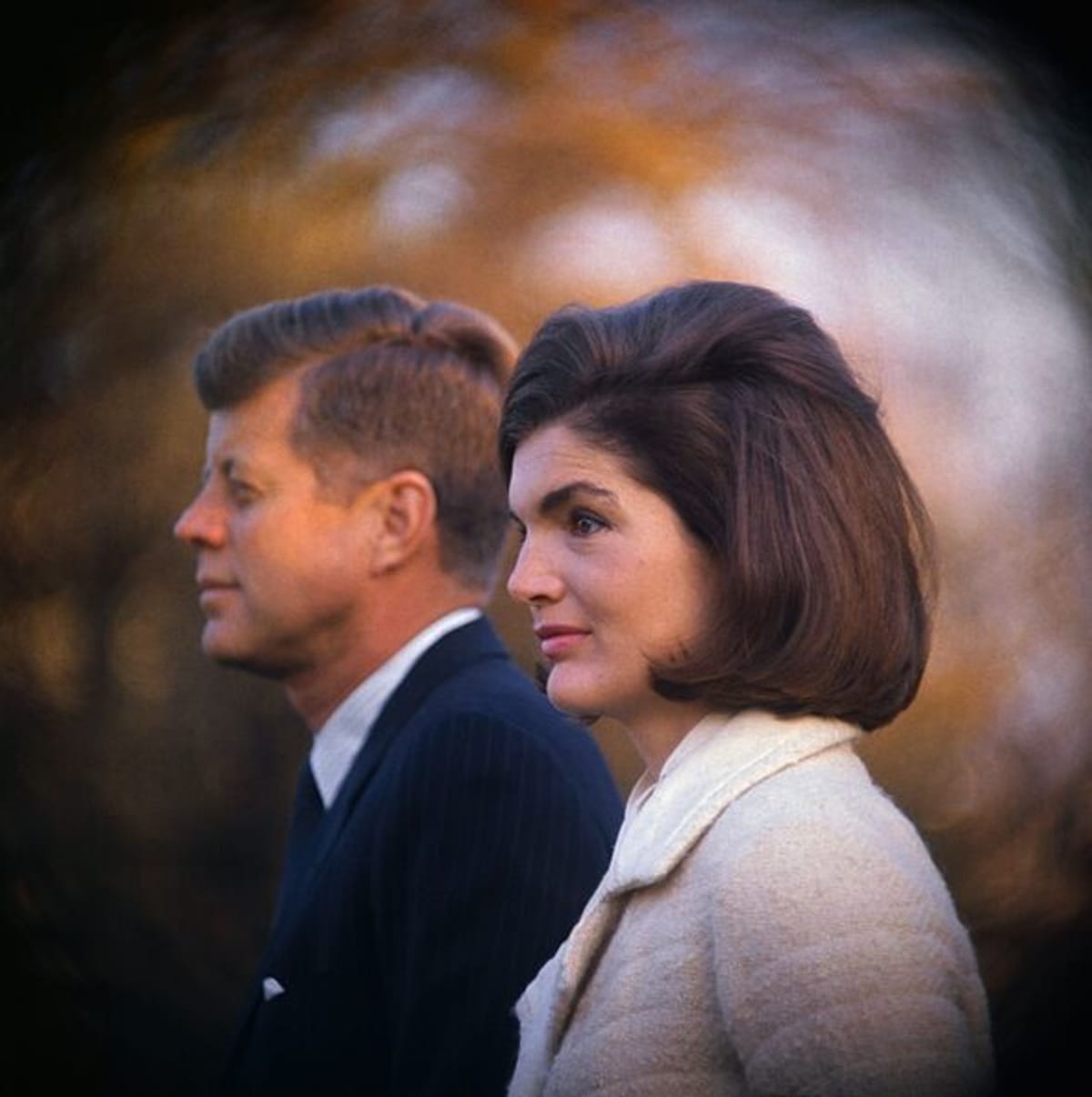
John F. Kennedy hailed from what was and remains a political dynasty - a fact well established over decades of power.
Yet what stayed hidden for many years was the tragic story of the lesser-known Kennedy sister - Rosemary - until JFK's father, Joseph P. Kennedy's disgraceful secret came to light.
Rosemary Kennedy, the once-vibrant sibling of JFK, had her existence irrevocably altered when, at merely 23-years-old, she underwent a lobotomy. This operation permanently reduced her mental capacity and confined her to a life hidden from public view - precisely as her father intended.
Born on September 13, 1918, Rosemary Kennedy was the third child of Joseph and Rose Fitzgerald Kennedy. Her birth was reportedly complicated, with an extended labor depriving her brain of oxygen, which led to developmental delays and intellectual disabilities.
As Rosemary matured, her behavior became progressively harder to manage. She exhibited emotional and behavioral difficulties which sometimes became violent, driving her father to advocate for a lobotomy in an effort to protect his sons' political ambitions from the consequences of Rosemary's challenges, reports the Daily Star.
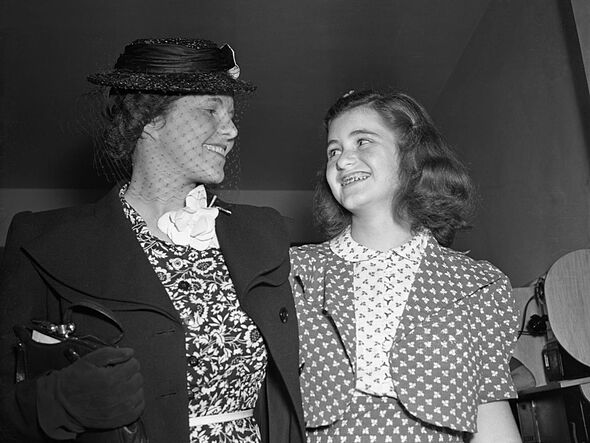
Rosemary was hidden away from society after her lobotomy (Image: Bettmann Archive)
The surgery entailed removing or destroying portions of the brain's frontal lobe. The technique was initially developed in the early 20th century as a treatment for various mental health conditions, according to History Extra.
Many patients suffered severe cognitive and emotional harm from the procedure. Lobotomies are now widely considered barbaric and inhumane.
Rosemary reportedly struggled academically and experienced seizures. During the 1920s, the stigma wrongly associated with mental disability could devastate a family.
Joseph made the choice to have Rosemary undergo a lobotomy at age 23. He neither consulted nor informed any family members, and Rosemary remained conscious throughout the entire procedure.
The surgery, intended to control her emotional outbursts, instead went disastrously wrong, rendering Rosemary severely disabled with cognitive abilities comparable to a toddler.
After the operation, Rosemary was hidden, first in upstate New York and later at the Saint Coletta School for Exceptional Children in Wisconsin. The family never came to see her - Joseph deceived them by claiming she had become so aggressive that she could only survive in isolation without any visitors at institutional facilities.
The United States performed more lobotomies than any other country worldwide, conducting 40,000 to 50,000 procedures between the 1930s and 1970s. Despite this, after her lobotomy, Rosemary lost the ability to walk or speak.
She required months of rehabilitation before regaining independent mobility, recovering only partial function in one arm. Nevertheless, she remarkably achieved gradual and modest improvements, ultimately learning to express herself through eye movements.
Years following the devastating lobotomy, Rosemary's younger siblings eventually located her at the St Coletta School for Exceptional Children in Wisconsin. Upon visiting, they inquired with the nuns about what had initially been wrong with their sister.
This reunion became possible only after Joseph suffered a severe stroke in late 1961, which left him unable to maintain control over the family. Rosemary's mother, Rose, was subsequently informed of her daughter's precise whereabouts and medical condition.
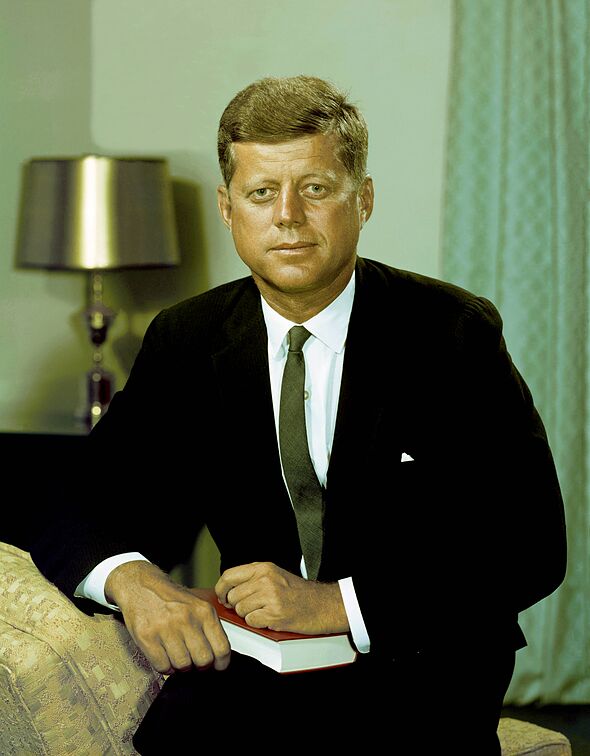
JFK was the 35th president of the United States (Image: Soxphotos, Getty Images)
Sadly, Rose's initial visit proved difficult. After two decades apart, Rosemary's reaction upon seeing her mother was to physically strike her in the chest, a response to the years of abandonment.
Following Joseph's death in 1969, the family fully reintegrated Rosemary into their lives. Though she continued residing at St Coletta's due to her need for ongoing care, she once again became part of the family circle.
When Rosemary's brother questioned the nuns about her condition, one nun looking after her simply said: "I believe she was like me. She had problems reading in school. Like I did."
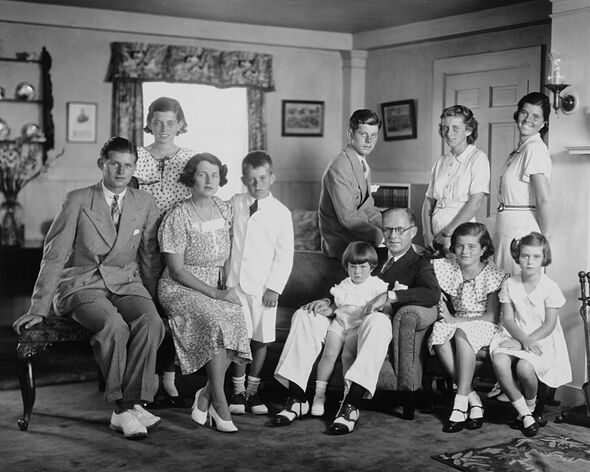
Rosemary's siblings eventually tracked her down (Image: Getty Images)
In the years that followed, Rosemary's sister Eunice Kennedy Shriver founded the Special Olympics in 1968 and emerged as a leading advocate for disability rights.
Meanwhile, Rosemary's elder brother John F. Kennedy, the 35th President of the United States, put his name to an amendment that would lay the groundwork for the Americans with Disabilities Act.
Books including "Rosemary: The Hidden Kennedy Daughter" and "The Missing Kennedy" introduced Rosemary's narrative to a broader audience, shining a light on the painful choices made on her behalf.
Source: Crime
